September is the perfect time to establish routines for 5th grade math centers, while also helping students become more independent and take ownership of their learning.
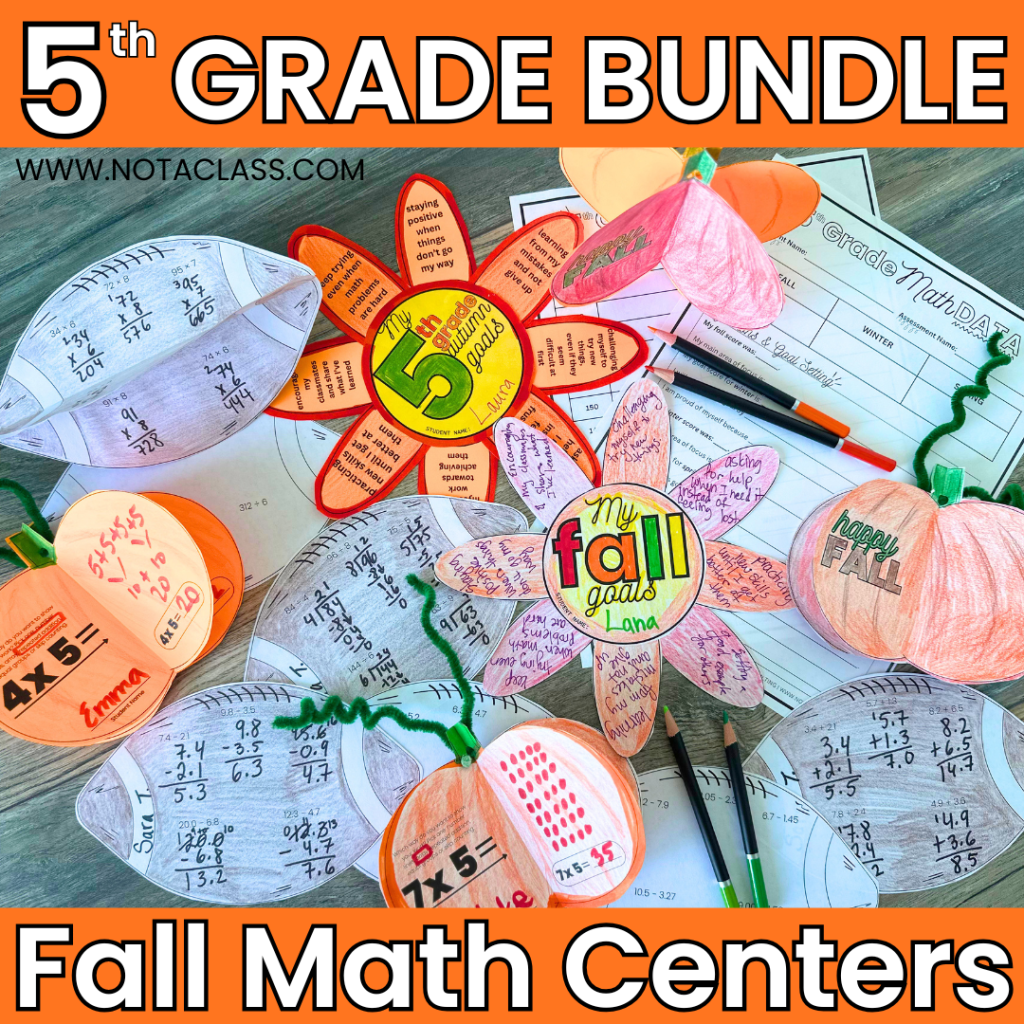
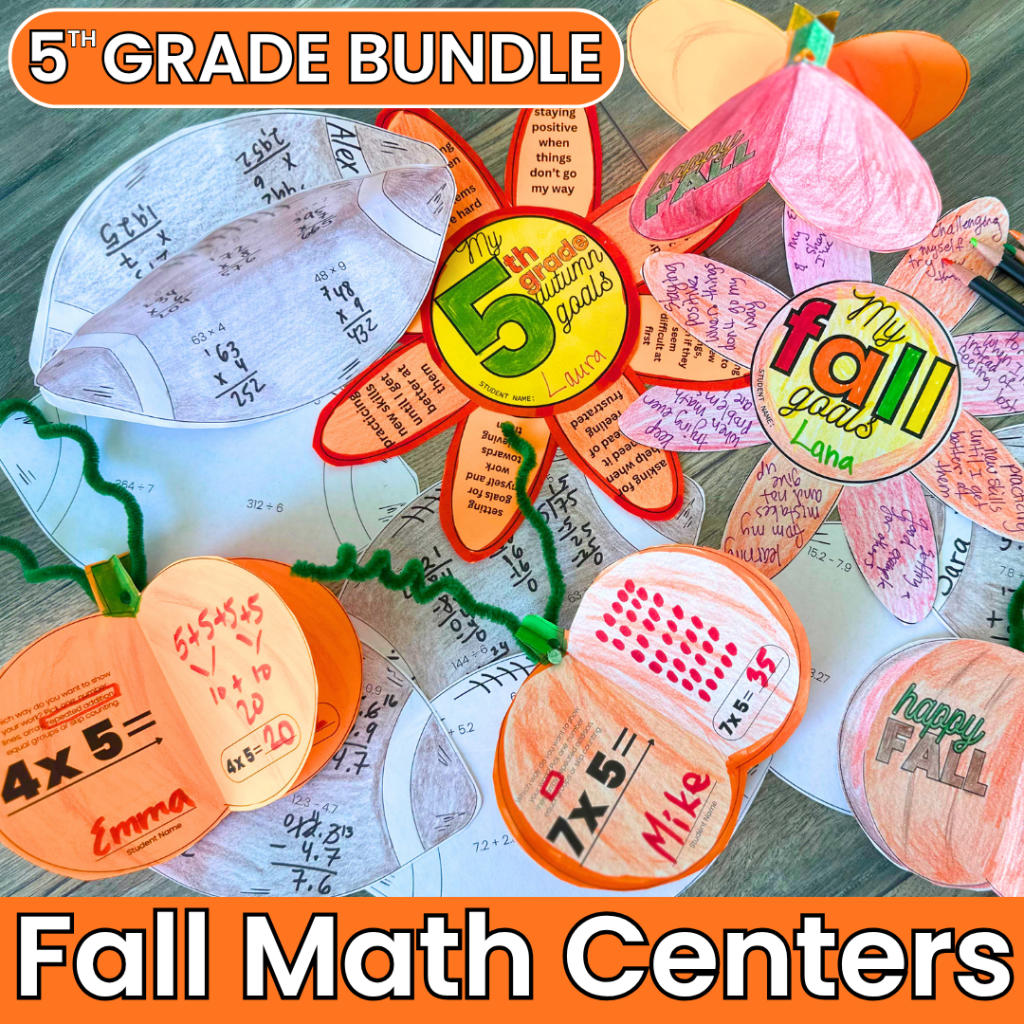
For my September math centers, I like combining meaningful 5th grade math practice with seasonal activities that keep students engaged. This month, I’m using football math, pumpkin crafts, multiplication and division practice, decimal review, student reflection, and data tracking.
I’m also using September to establish a routine that will continue throughout the school year: students looking at their own data, setting goals, and monitoring their progress.
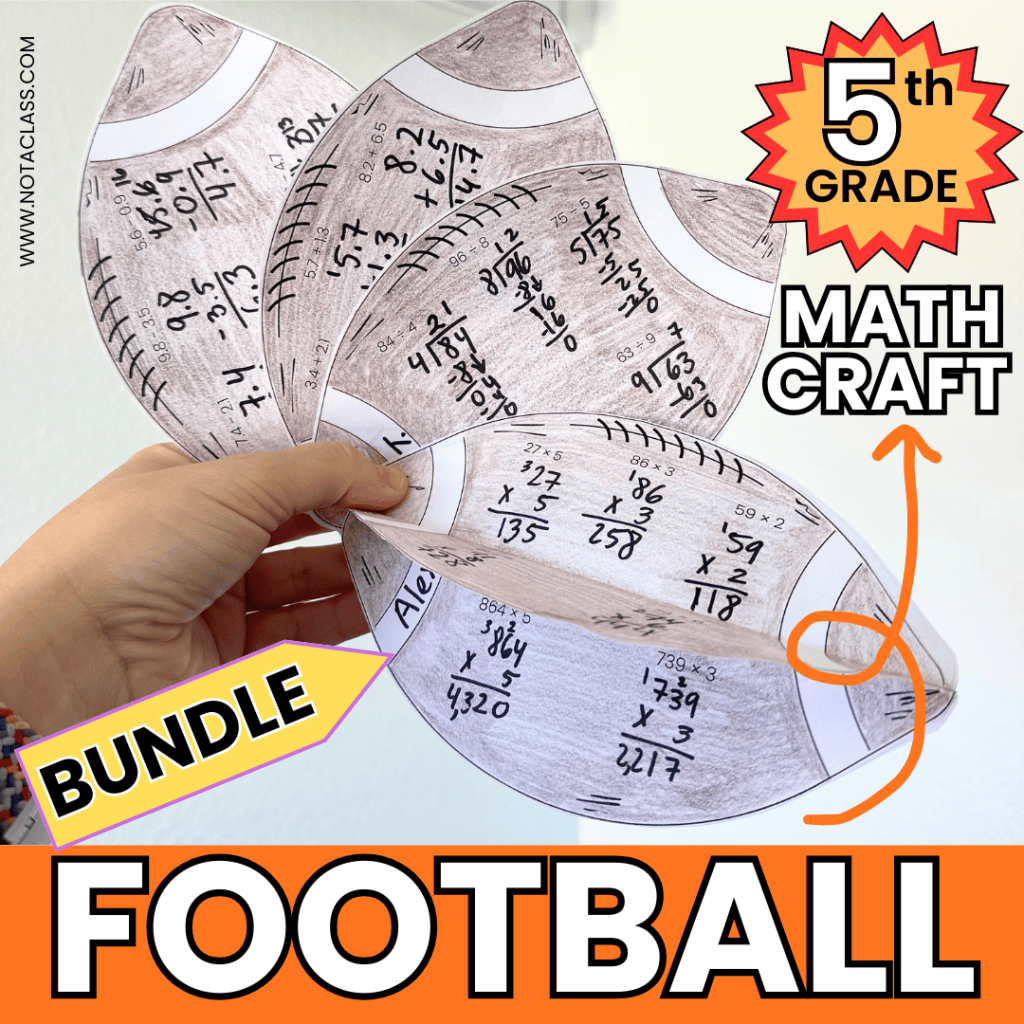
Center 1: Football Math Craft
Football is such a fun theme for September (that I will repeat in November), and it’s an easy way to make math practice feel a little more exciting.
One of the activities I’m using includes 40 football-themed math worksheets with 400 math problems covering multiplication, division, adding decimals, and subtracting decimals.
I also love that students can color and decorate their completed footballs, which makes the finished work perfect for a football-themed bulletin board or classroom display.
It’s one of those resources that gives students math practice while still making the classroom feel fun and seasonal.
Center 2: Pumpkin Math Activities
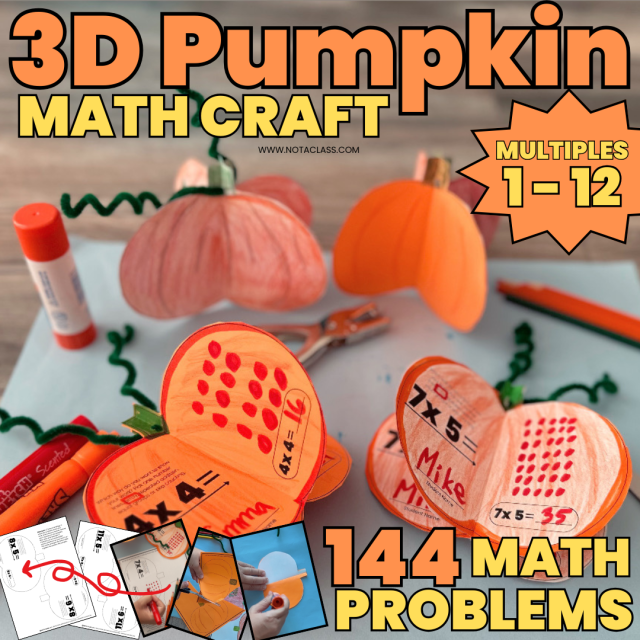
The 3D Pumpkin Multiplication Facts Craft is a fun way to practice multiplication facts while creating a fall classroom display. Students work with 144 multiplication facts covering multiples 1–12, then color and assemble their pumpkins.
I like using activities like this because students aren’t just completing another worksheet and moving on. They’re practicing a skill, creating something, and producing work that can become part of our classroom environment. (And yes, even in 5th grade, we still need to review those multiplication facts!)
Center 3: Fall Goal-Setting Activities
September is also a great time to start talking about goals.
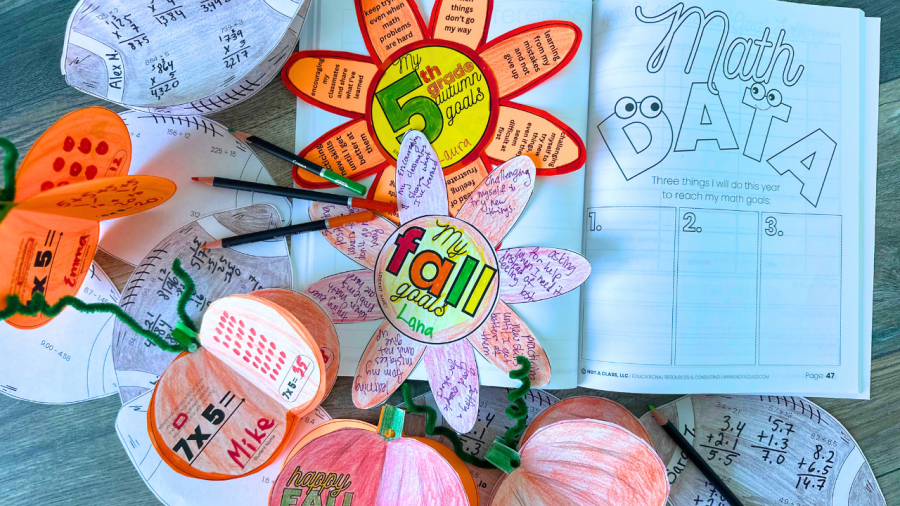
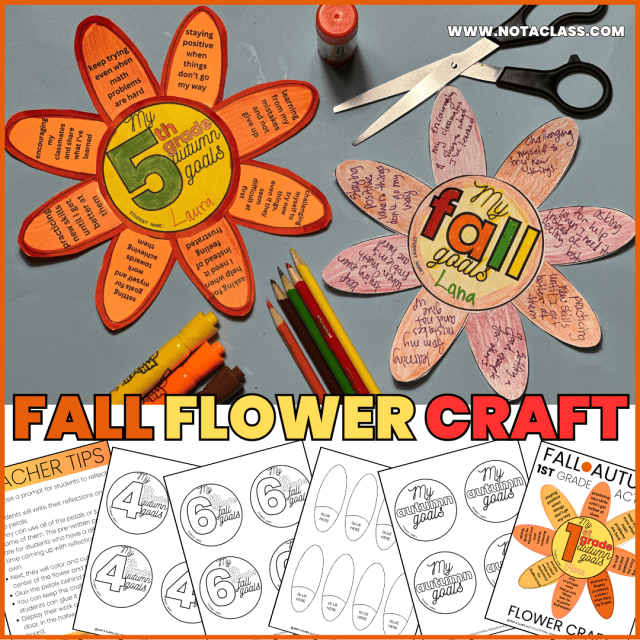
I’m using a 5th Grade Autumn Goals Flower Craft to give students an opportunity to reflect on the beginning of the school year and think about what they want to accomplish.
Students can color and decorate their flowers while completing reflection prompts and setting their autumn or fall goals.
I love connecting this activity to our data conversations because goal setting becomes so much more meaningful when students have actual assessment data to reflect on. Plus, these look so cute displayed on our bulletin board or classroom door!
Center 4: Student Data Tracking
One of the biggest things I’m focusing on this year is helping students understand that their assessment data belongs to them too.
I don’t want assessment scores to be something that only teachers look at.
Students should know what they scored, understand what that score means, recognize their strengths, identify areas for improvement, and set goals for themselves.
After our fall assessments, I’ll give students time to analyze their own scores and think about what they want to accomplish on their winter assessments.
And I’m not going to rush this process.
I Tackle Data Tracking a Little at a Time
I’ve found that data tracking works much better when I don’t try to do everything in one day.
Instead, I’ll tackle a little bit each week.
We might look at an assessment score one week.
The next week, students might graph or record their data.
Then we’ll spend some time reflecting on what the score means.
Another week, we’ll talk about strengths and areas for improvement.
Then students can set a goal for their winter assessment.
By the time winter testing comes around, students will already understand the routine.
We’ll look at their new scores, compare them with their previous scores, talk about their progress, and set new goals.
Then we’ll continue the same process as we work toward our spring assessments.
Over time, it becomes a rhythm:
Analyze → Reflect → Set a Goal → Work Toward It → Reassess → Reflect Again
That’s much more meaningful to me than pulling out data folders once or twice a year.
How I’m Using the Student Data Workbook
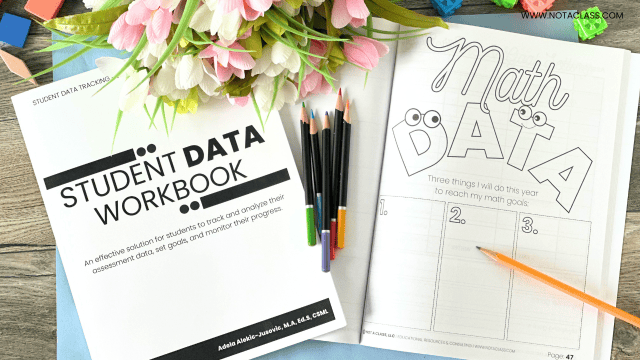
This year, I’m using the Student Data Workbook with my students because it makes the entire process so much easier.
I used my classroom funds to purchase a set of Student Data Workbooks for my class.
One of the biggest benefits for me is that the workbooks are already organized.
I don’t have to print dozens of different pages, sort them, put them into individual folders, and try to keep everything organized.
Instead, I can simply tell students:
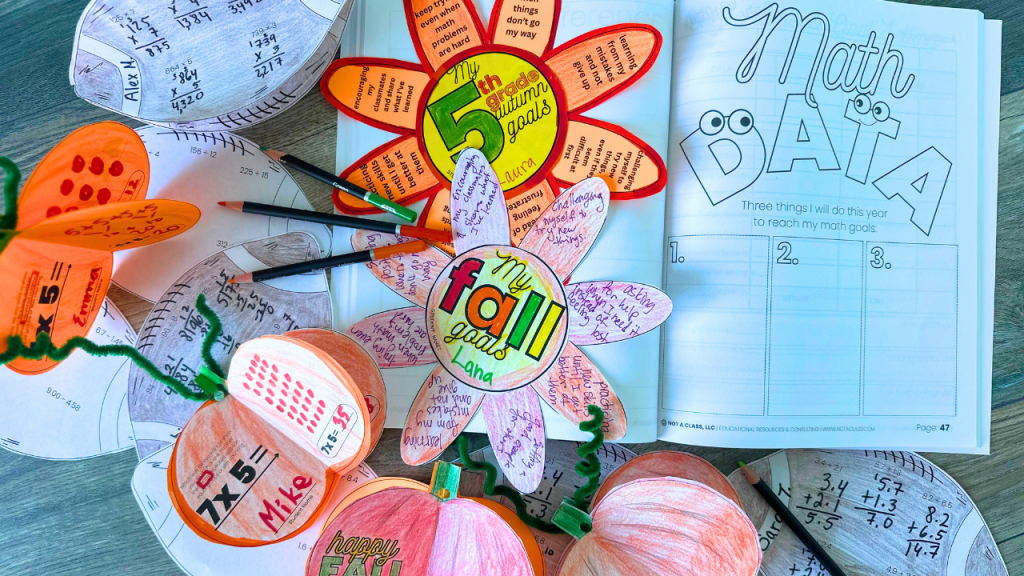
“Today we’re working on page 47.”
That’s it.
Students have a dedicated place to record their assessment data, reflect on their progress, set goals, and revisit those goals throughout the year.
It is way less hassle for me.
And because we’re working through it a little bit at a time, students gradually get used to the process of looking at their data and talking about their goals.
Get more information on the Student Data Workbook
How Can You Get the Student Data Workbooks?
If your district provides classroom funds, definitely check to see whether you can use those funds to purchase resources that support your students.
My district’s $300 classroom allowance made it possible for me to purchase a set for my class.
But there are other options too.
You could:
- Write a DonorsChoose grant
- Ask your principal about available classroom funds
- Add the workbooks to your Amazon classroom wishlist
- Check with your school or district for instructional funding opportunities
The goal is to find a system that works for you and your students.
An Alternative: Create Student Data Folders
If purchasing the Student Data Workbook isn’t an option, you can also create your own student data folders using printable data trackers.
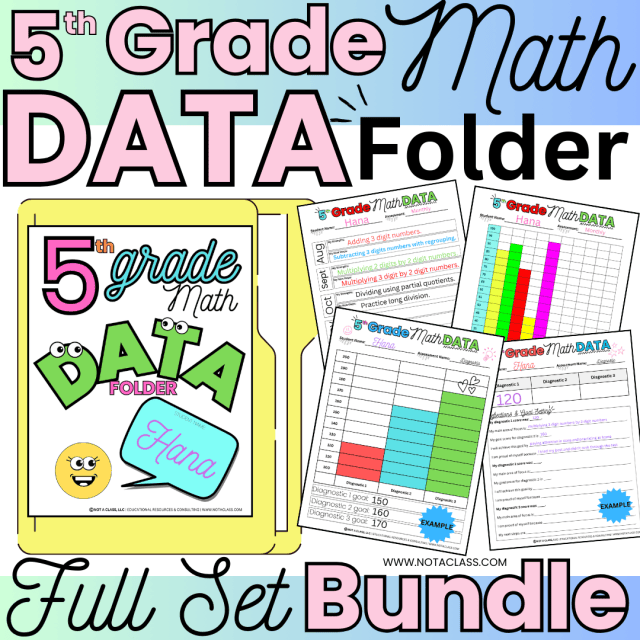
I have a 5th Grade Math Fall Activities Bundle that includes the student data tracking resources along with the seasonal math activities. The data tracking portion includes monthly, unit, diagnostic, fall/winter/spring assessment, math conference, reflection, and goal-setting pages, as well as data folder cover sheets.
Teachers can print and make copies for each student and create individual student data folders.
This option takes a little more preparation because you’ll be printing, organizing, and assembling the folders, but it gives you a flexible system you can customize for your classroom.
Get the 5th Grade Math Fall Activities Bundle with Student Data Trackers
Want the Fall Activities Without the Data Trackers?
If you’re planning to use the Student Data Workbook instead of creating individual data folders, you may prefer my other version of the bundle.
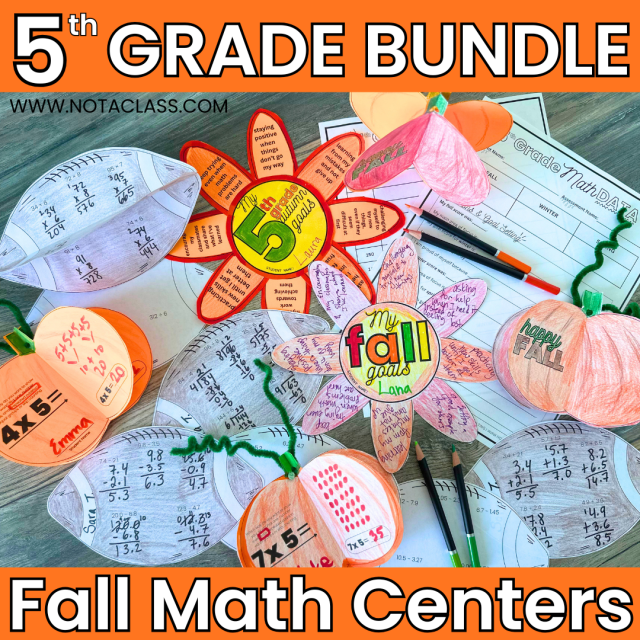
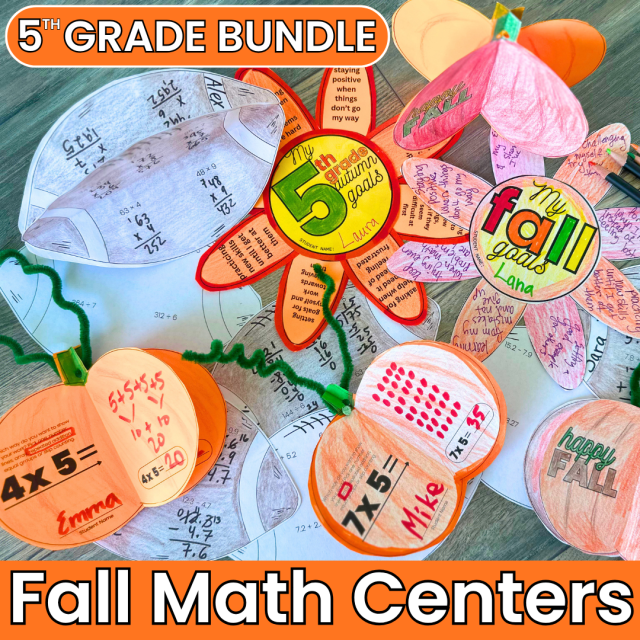
It includes the football math, pumpkin multiplication craft, and fall goal-setting flower craft, but does not include the student data tracking resources.
That way, you’re not purchasing duplicate data-tracking materials if you already plan to use the Student Data Workbook.
Get the 5th Grade Math Fall Activities Bundle Without the Data Trackers
Making September Math Meaningful
For me, September is about much more than finding fun 5th grade math worksheets.
It’s about establishing routines that will help students become more confident, independent mathematicians throughout the year.
My September math centers give students opportunities to practice multiplication, division, and decimals while incorporating seasonal themes they enjoy.
The fall crafts give students opportunities to create, reflect, and set goals.
And our student data routine helps them understand that their assessment scores are not just numbers on a page.
Their data tells a story about their learning.