
In the journey of academic growth, students often find themselves navigating a sea of assessments, quizzes, and exams. Yet, beyond the grades on the report card, there lies a valuable practice that can profoundly impact a student’s learning experience: tracking their own test data. Let’s delve into why this self-monitoring process is an essential skill that empowers students to take control of their academic success.
1. Self-Awareness and Reflection: Tracking test data encourages students to engage in self-reflection. By reviewing their performance, students gain insights into their strengths and areas that need improvement. This self-awareness is a powerful tool that fosters a deeper understanding of their learning style, study habits, and overall academic progress.
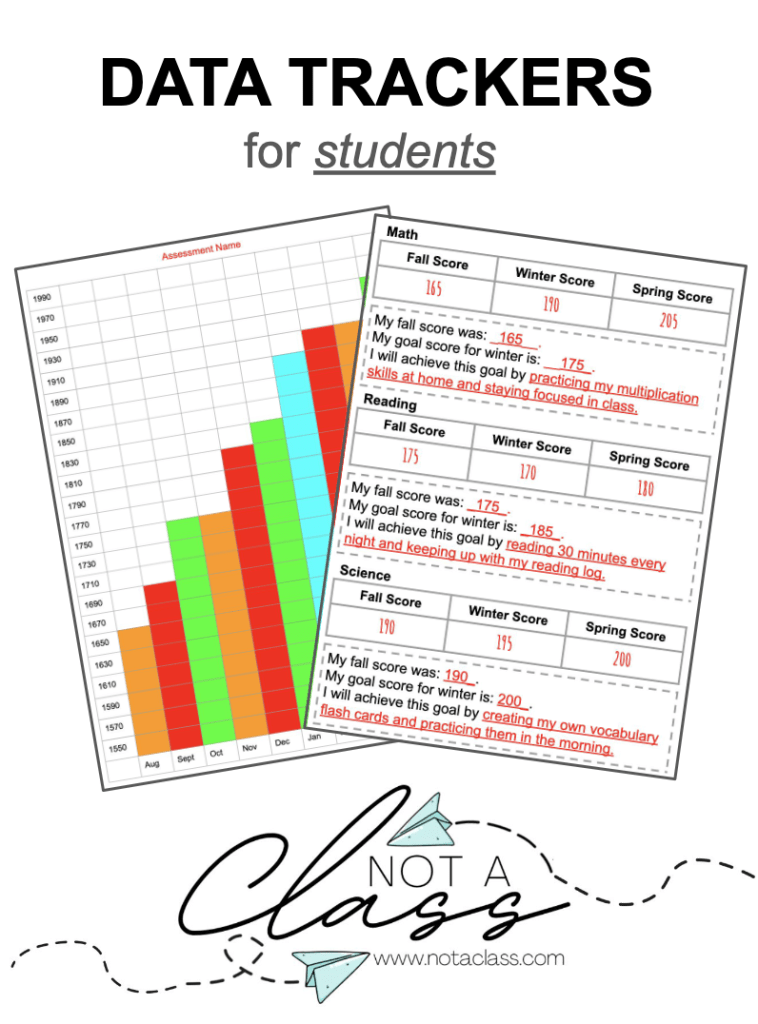
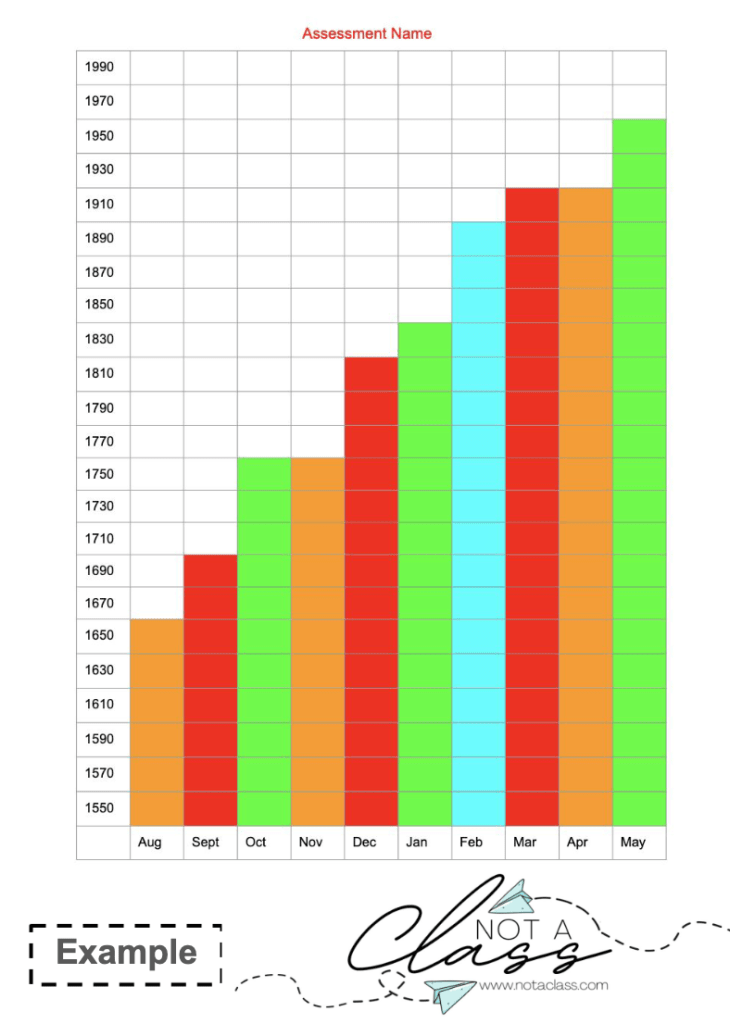
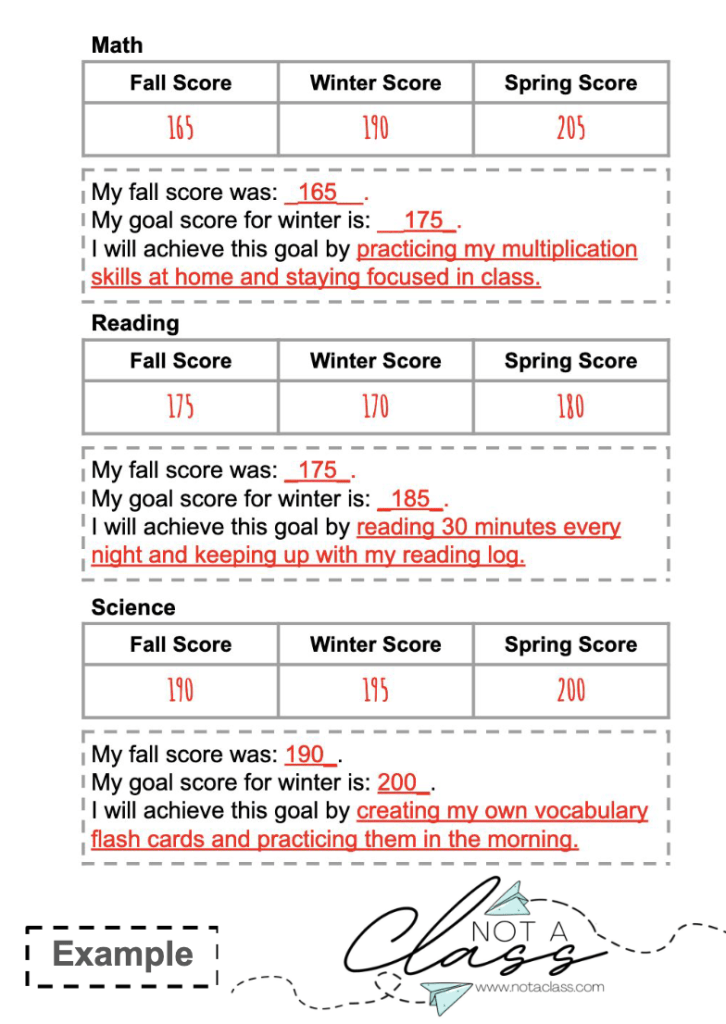
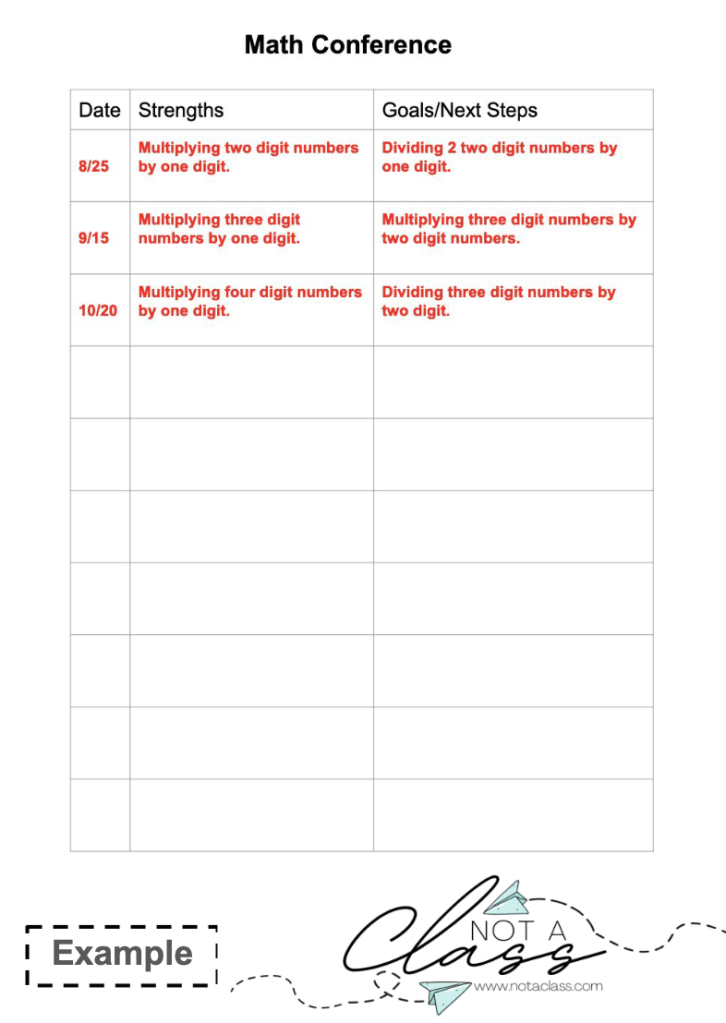
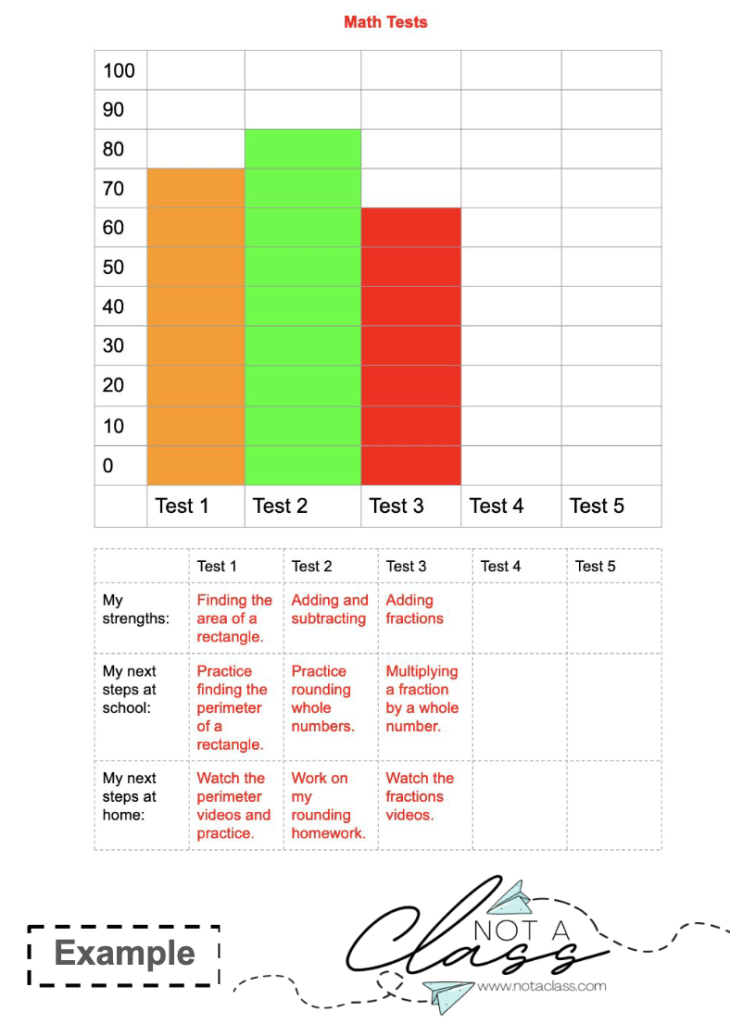
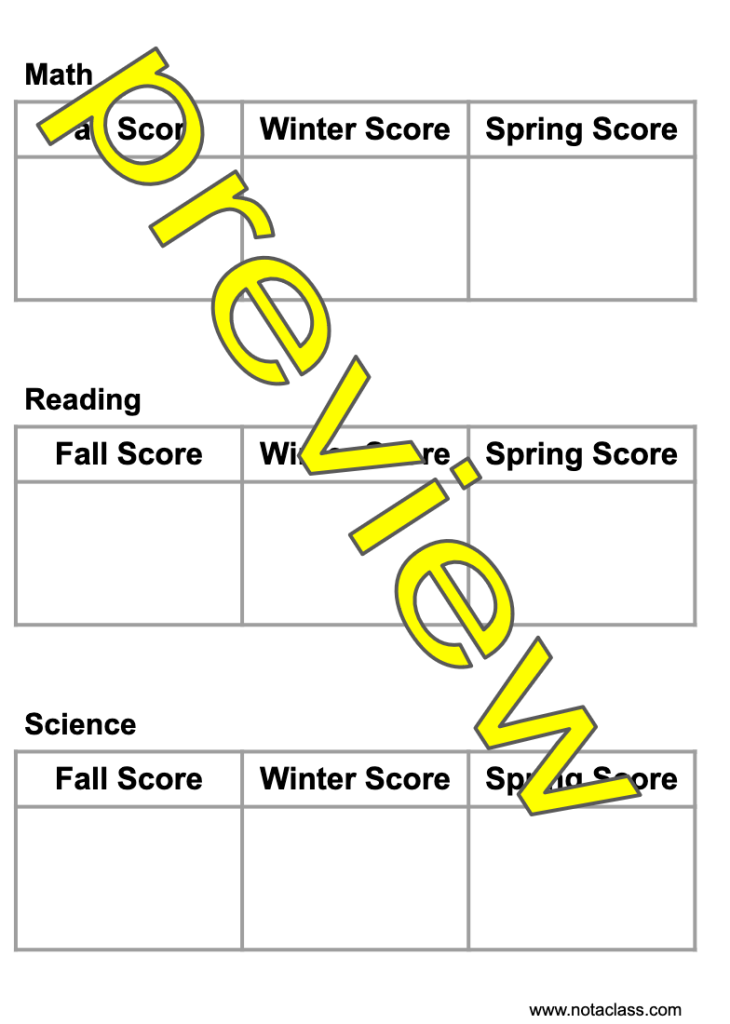
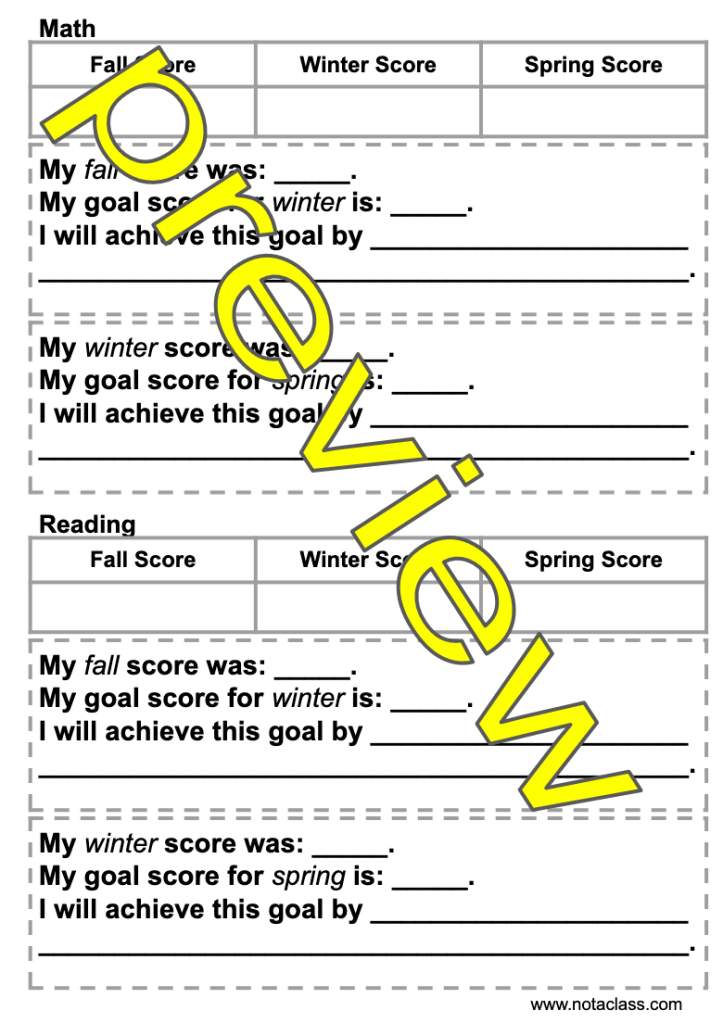
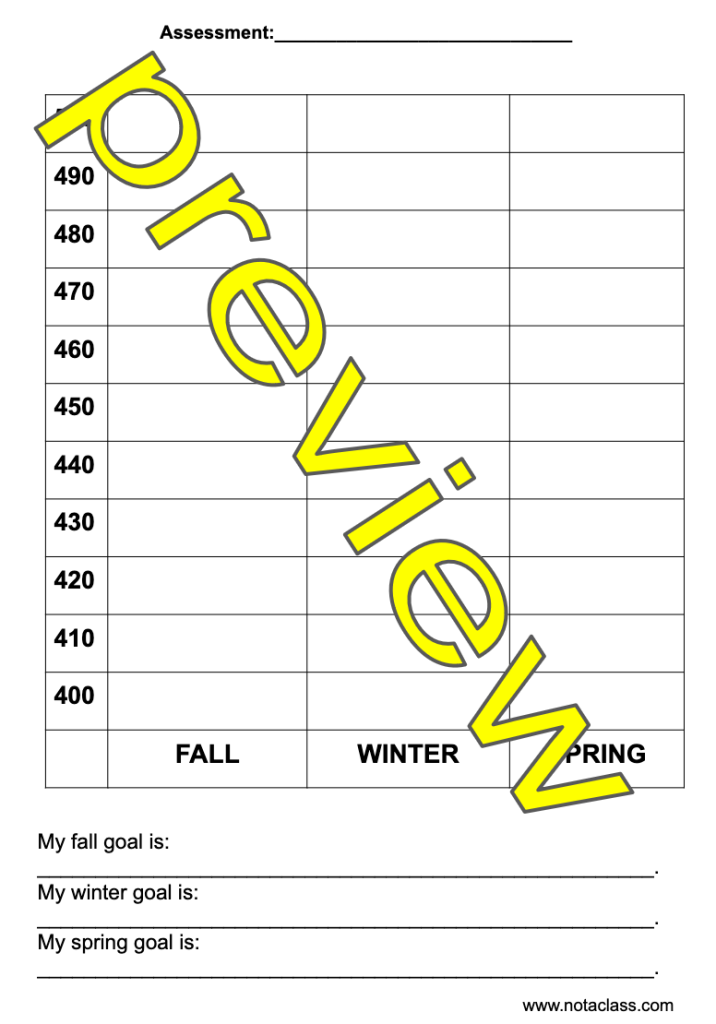
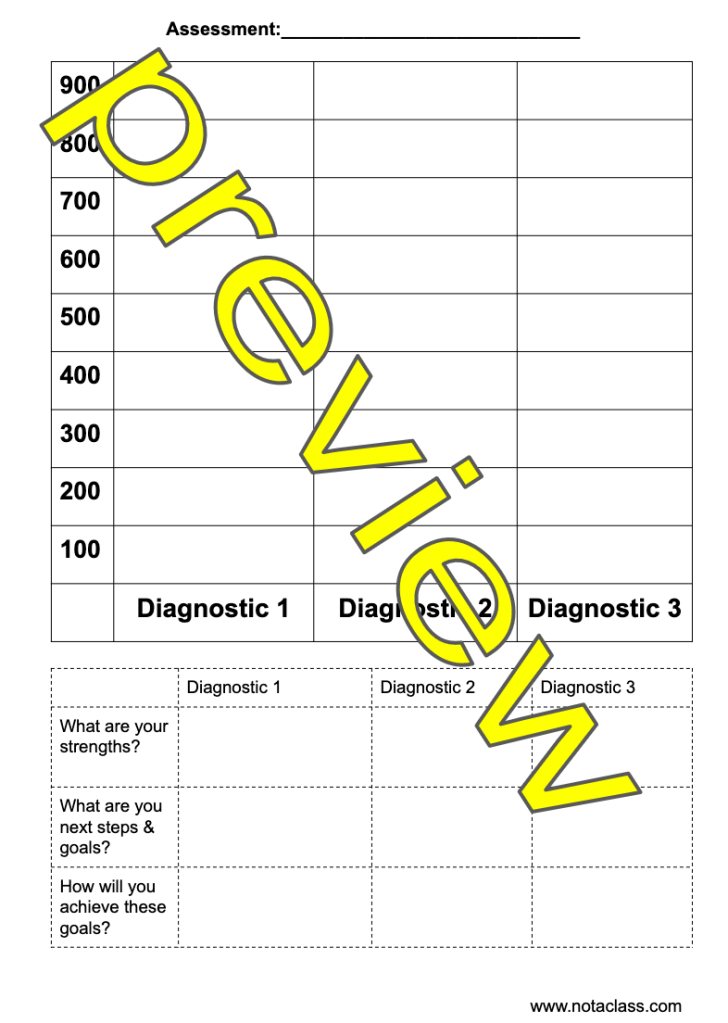
2. Goal Setting and Motivation: Setting and achieving goals is a fundamental aspect of personal and academic development. When students actively track their test data, they can set realistic goals for improvement. Witnessing progress, no matter how small, becomes a source of motivation, instilling a sense of accomplishment and encouraging a growth mindset.
3. Identifying Patterns and Trends: Regularly tracking test data allows students to identify patterns and trends in their performance. Are certain types of questions consistently challenging? Does performance fluctuate based on the time of day or specific topics? Recognizing these patterns provides valuable insights for targeted study strategies and helps students make informed decisions on where to focus their efforts.
4. Taking Ownership of Learning: When students actively engage in tracking their test data, they take ownership of their learning journey. It shifts the narrative from grades being externally imposed to a process where students actively participate in their academic development. This sense of ownership cultivates a proactive mindset that extends beyond the classroom and into various aspects of life.
5. Effective Study Strategies: Understanding how to study effectively is a skill that transcends academics. By tracking their test data, students can evaluate the success of different study methods. Whether it’s flashcards, group study sessions, or summarizing information, students can tailor their approach based on what yields the best results for them.
6. Building Resilience and Perseverance: Not every test will result in a perfect score, and setbacks are a natural part of the learning process. Tracking test data teaches students resilience and perseverance in the face of challenges. They learn to view setbacks as opportunities for growth and adjust their strategies accordingly.
7. Effective Communication with Teachers: When students actively track their test data, it becomes a valuable tool for communication with teachers. Whether seeking clarification on a concept or discussing areas for improvement, students can approach these conversations armed with a clear understanding of their performance, fostering a constructive dialogue with educators.
In conclusion, the practice of students tracking their own test data is a transformative step towards fostering a proactive, self-aware, and goal-oriented approach to learning. By embracing this skill, students not only enhance their academic performance but also develop a mindset that serves them well in the face of future challenges. As we encourage students to navigate the seas of academia, let’s empower them with the tools to captain their own ships, steering toward a future filled with knowledge and success.
Wishing you all the best,
Adela


