
In the ever-evolving field of education, leveraging the potential of data has emerged as a vital element in guaranteeing the achievement of students. Tracking and analyzing student data opens doors to valuable insights that can transform teaching strategies, enhance personalized learning experiences, and ultimately empower educators to make informed decisions. Here’s a closer look at why this practice is so vital in today’s classrooms.
1. Personalized Learning Tailored to Individual Needs: Student data allows educators to understand each student’s unique learning journey. By tracking performance metrics, teachers can identify areas of strength and weakness, enabling them to tailor instructional approaches that cater to individual needs. Personalized learning plans based on data insights provide students with a customized roadmap to academic success.
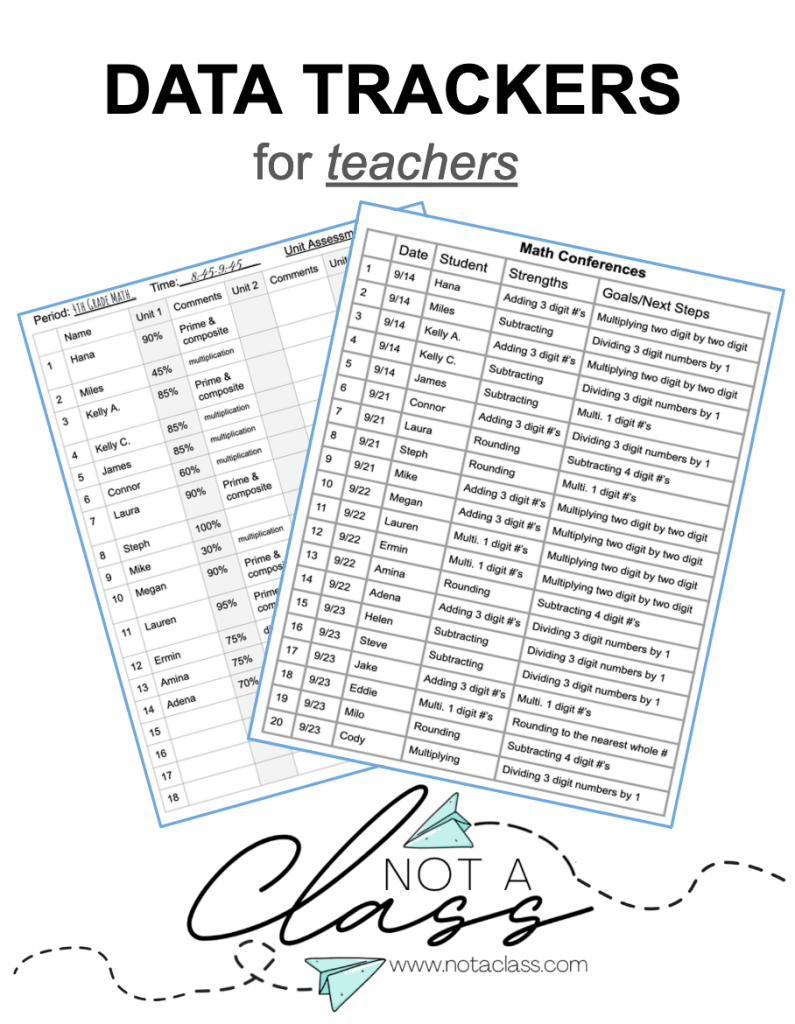
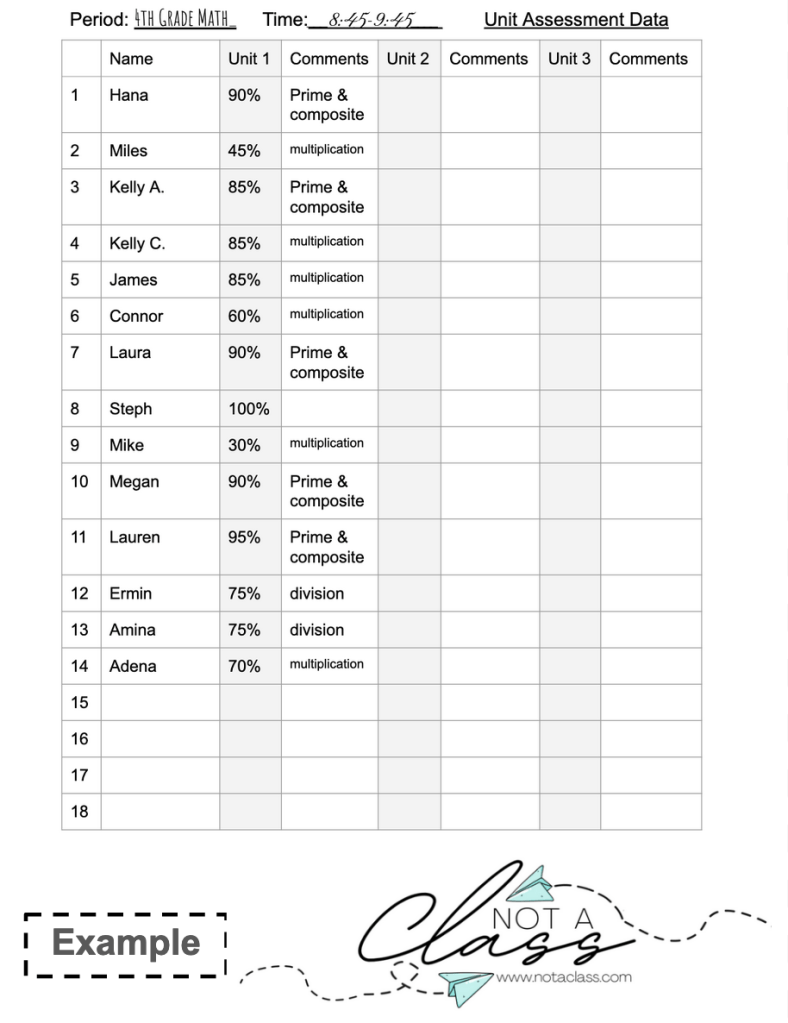
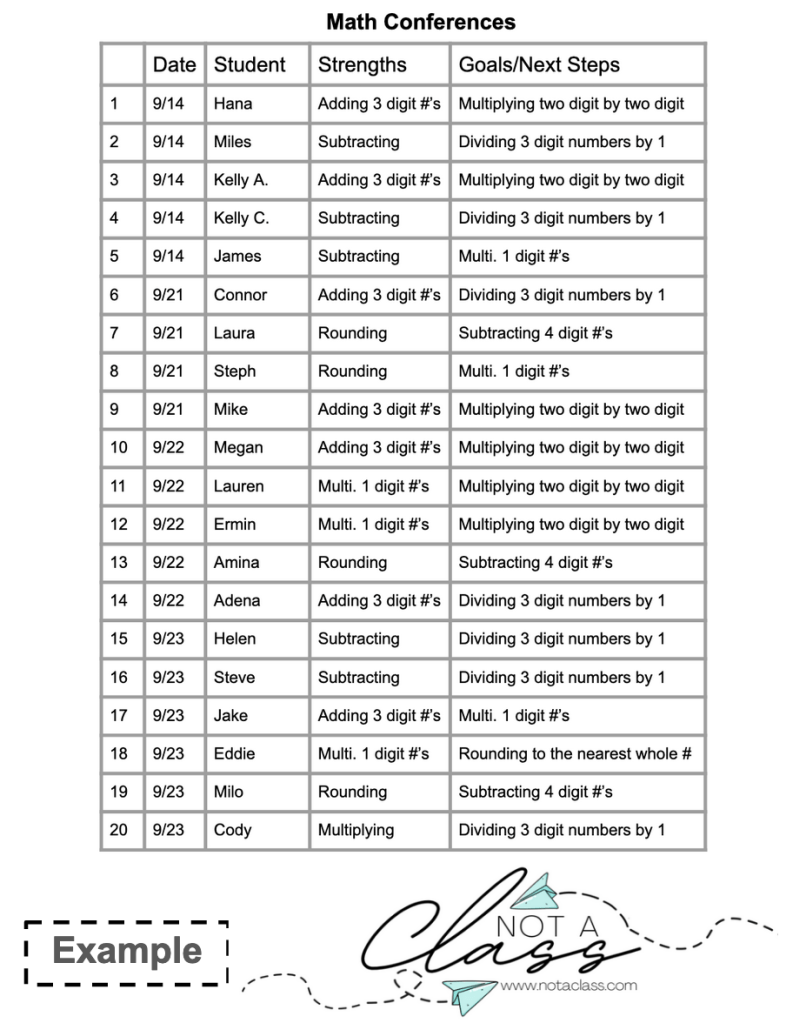
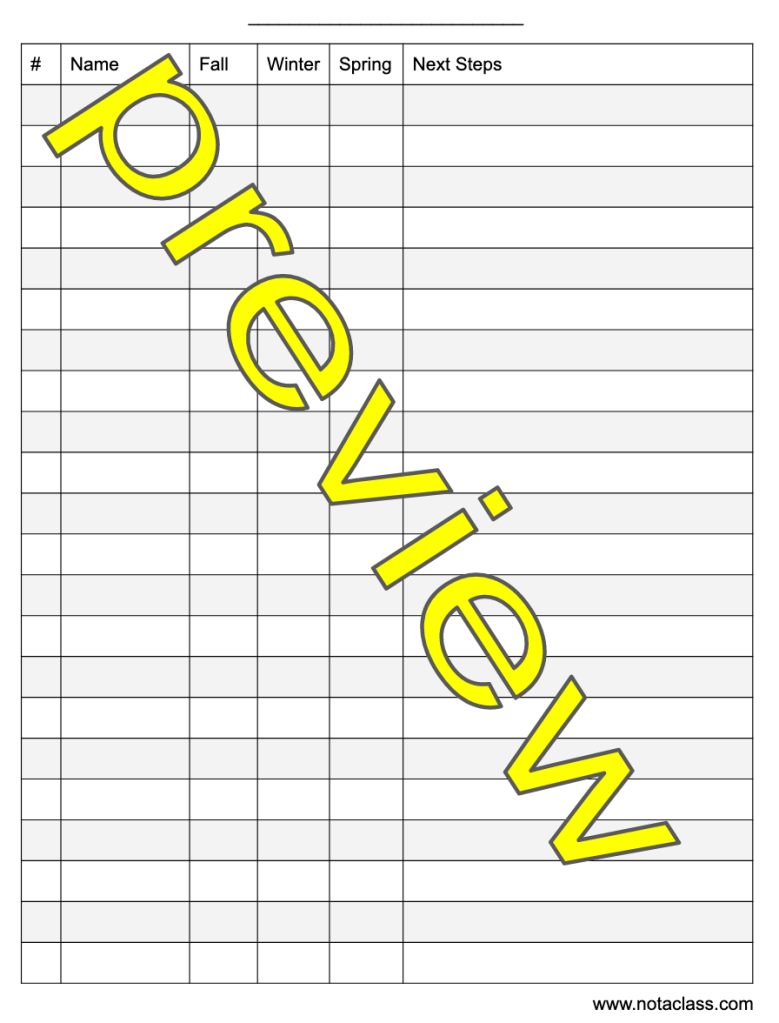

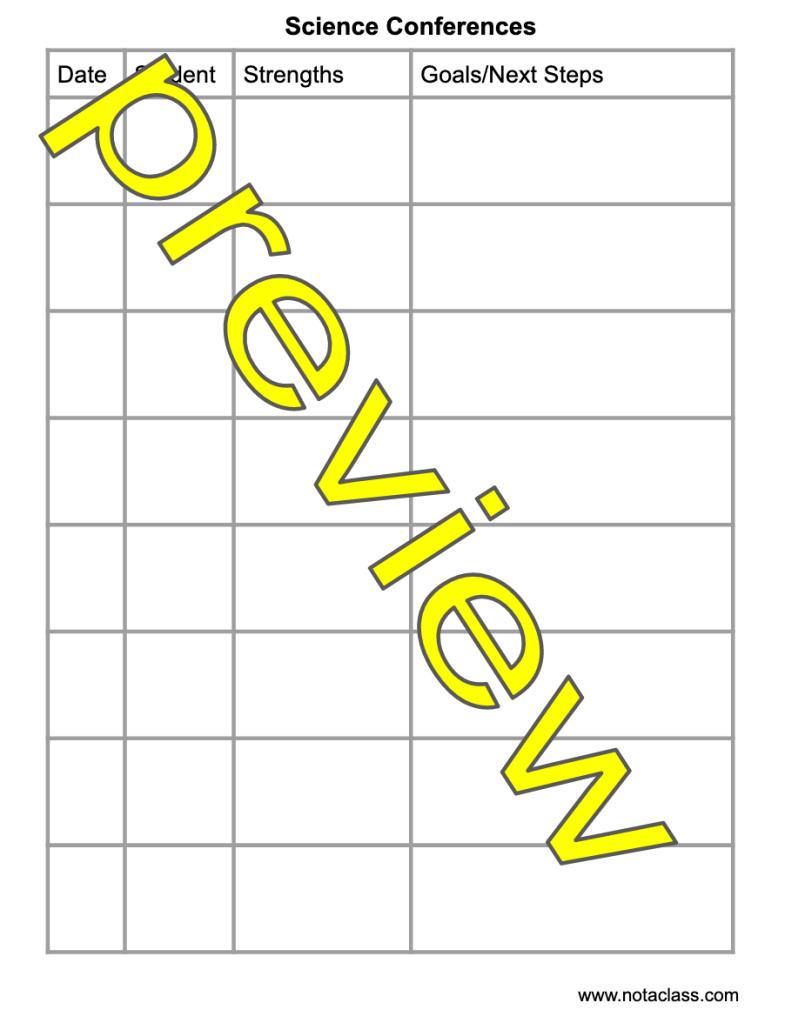

2. Early Intervention for Academic Success: One of the key advantages of data tracking is the ability to identify potential challenges early on. By closely monitoring student progress, educators can detect patterns of struggle and intervene promptly. Whether it’s offering additional support, adjusting teaching methods, or collaborating with support services, early intervention significantly improves the likelihood of academic success.
3. Data-Informed Instructional Strategies: Analyzing student data helps educators refine their instructional strategies. By understanding how students respond to different teaching methods, educators can optimize lesson plans to enhance engagement and comprehension. This iterative process ensures that teaching approaches remain dynamic, adapting to the evolving needs of the students.
4. Evidence-Based Decision-Making for Schools: Educational institutions can use aggregated student data to make informed decisions at the organizational level. Whether it’s resource allocation, curriculum development, or policy adjustments, relying on evidence from student data ensures that choices are grounded in a comprehensive understanding of the student body’s needs and performance.
5. Monitoring Long-Term Progress and Trends: Beyond immediate academic concerns, tracking student data allows educators to observe long-term trends. By analyzing performance over time, schools can identify successful initiatives, assess the impact of educational interventions, and refine strategies for continuous improvement.
6. Fostering a Culture of Accountability and Success: Transparent data tracking fosters a culture of accountability among students, teachers, and administrators alike. When everyone is aware of the metrics being monitored, it creates a shared commitment to academic excellence. Students become more accountable for their progress, educators for their teaching strategies, and institutions for the overall success of their students.
Thew practice of tracking and analyzing student data is a powerful tool that transforms education into a dynamic, responsive, and student-centric experience. By leveraging insights gained from data, educators and institutions can create learning environments that empower students to achieve their full potential. As we navigate the future of education, let’s continue to embrace the transformative impact of data in shaping the leaders and innovators of tomorrow.
All my best,
Adela

 NOT A CLASS, LLC